
Mission and History

We imagine the world as one big family, founded on the values of sharing, trust in others, and reciprocity.

Our Mission

We believe that every person is endowed from birth with a unique potential that defines their individuality, and that they have both the right and the responsibility to bring it forth, express it, and utilize it in life to shape their own choices. We fight against indifference toward poverty, suffering, and inequality because we think that everyone should and can contribute to building a reality where each individual is the architect of their own future.

How it all began

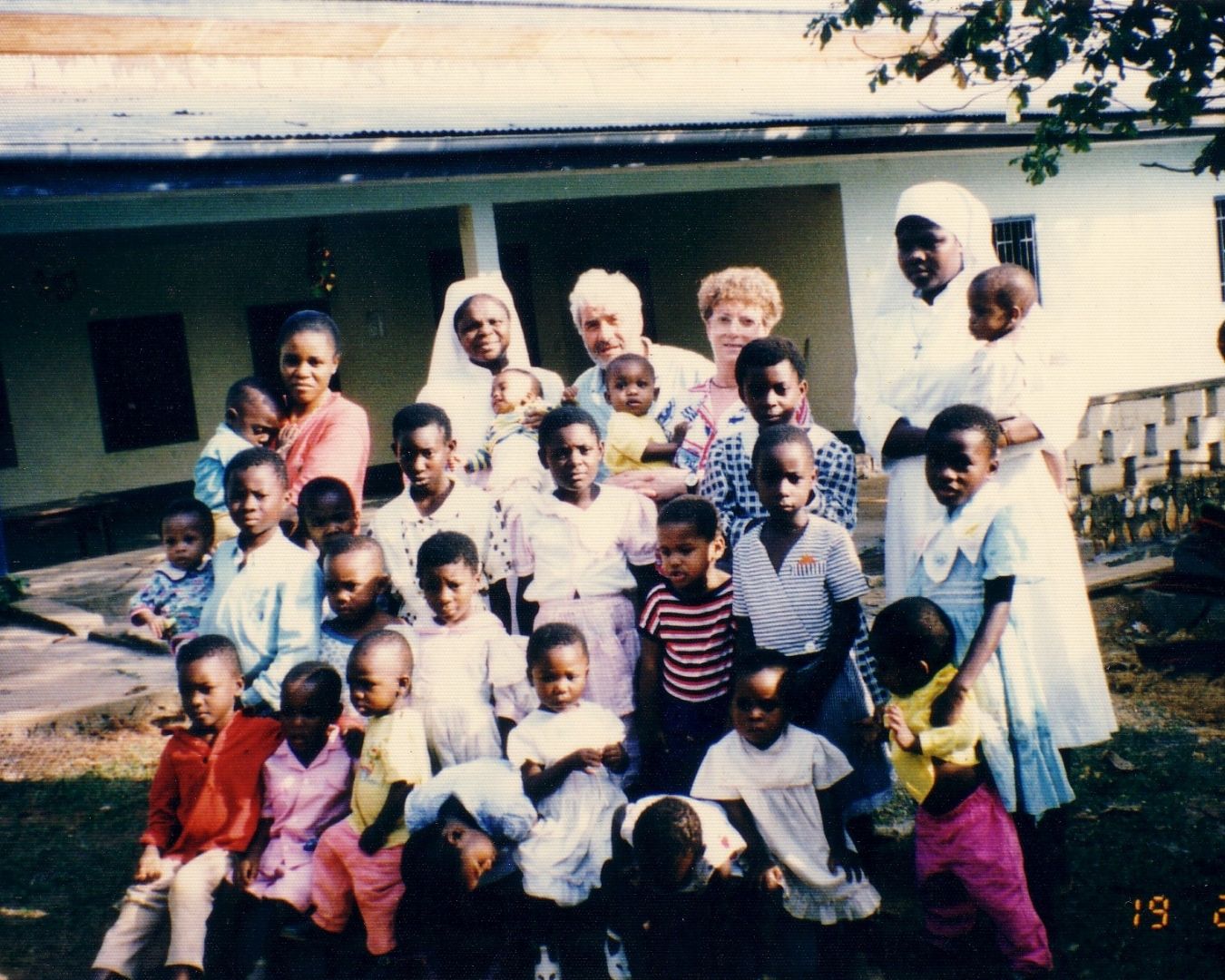
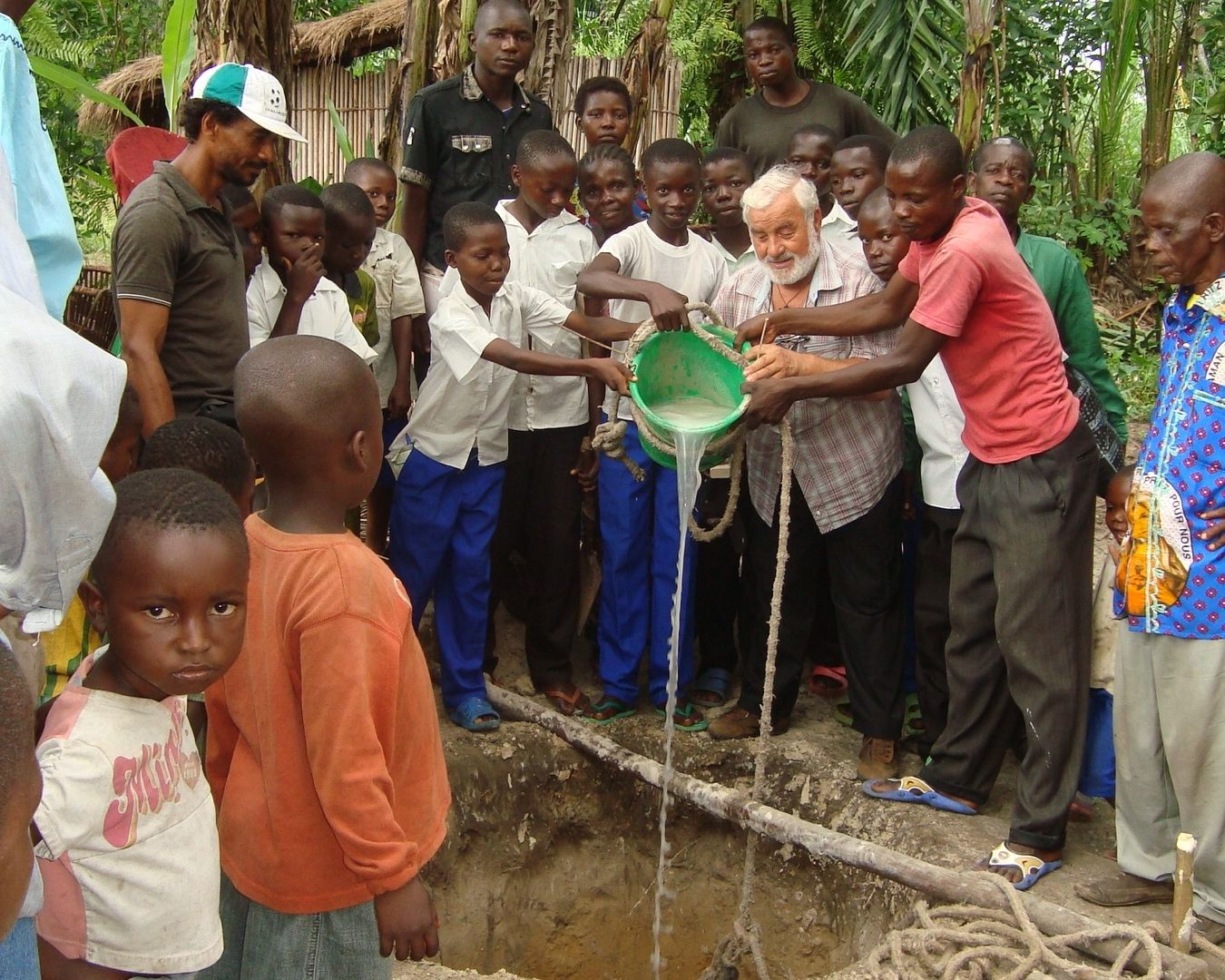
Since 1990, even before AGAPE was officially founded, a group of volunteers had already initiated projects in underprivileged countries. These endeavors included building schools, shelters, workshops, leper dispensaries, and more, in collaboration with other associations. Driven by a growing desire to support impoverished children worldwide—not just through constructing homes and schools but also by providing sustenance and affection—the group expanded its efforts.

In 1992, this small group of volunteers began implementing distance adoption programs as a means to offer ongoing support. Building on their acquired skills and knowledge, they formalized their commitment in 1996 by establishing AGAPE. 

Over the years, AGAPE’s humanitarian activities have expanded significantly. By 2009, the organization was active in 15 countries. Today, AGAPE focuses its primary efforts on two major African regions: the Democratic Republic of Congo and Mozambique. Additionally, projects are underway in Ecuador, Burkina Faso, India, and Cameroon.

In 2011, AGAPE strategically decided to concentrate resources and energy on missions requiring greater effort due to their scale and critical needs. This shift allowed for a deeper and more lasting impact, ensuring that each mission received the necessary support to foster sustainable development and empower local partners.

We have undertaken numerous initiatives, all part of a specific plan: to help children grow and develop their potential. Our projects aim to guide our local partners toward autonomy, enabling them, in the future, to independently continue the work we once did for them and now do with them. Soon, they will be able to offer concrete prospects to the youth. Today’s orphaned or abandoned children can become, tomorrow, individuals capable of contributing to their country’s development.

This journey encompasses tangible aspects, such as building infrastructure, and intangible ones, like learning to plan, design, seek funding, report, maintain transparency, clarity, and consistency, uphold responsibility, and view positions of power as services to others.

It’s a challenging task requiring time, as truly sharing a growth project necessitates regaining their trust by standing alongside them with dignity through example, consistency, perseverance, and justice, giving and receiving simultaneously. It’s difficult because it demands shedding our own paradigms and prejudices, making ourselves vulnerable. Yet, this path is essential, and we must also embrace its inherent risks. This is the approach AGAPE has chosen for its missions. We believe in it and continue moving forward in this direction despite the inevitable challenges, fully aware of the issues and risks involved, strengthened by the conviction that this is the only possible path and, above all, the right one.

COUNTRIES WERE WE HAVE WORKED
0
YEARS WORKING ALONGSIDE THOSE IN NEED
0

THE VALUES WE ARE INSPIRED BY

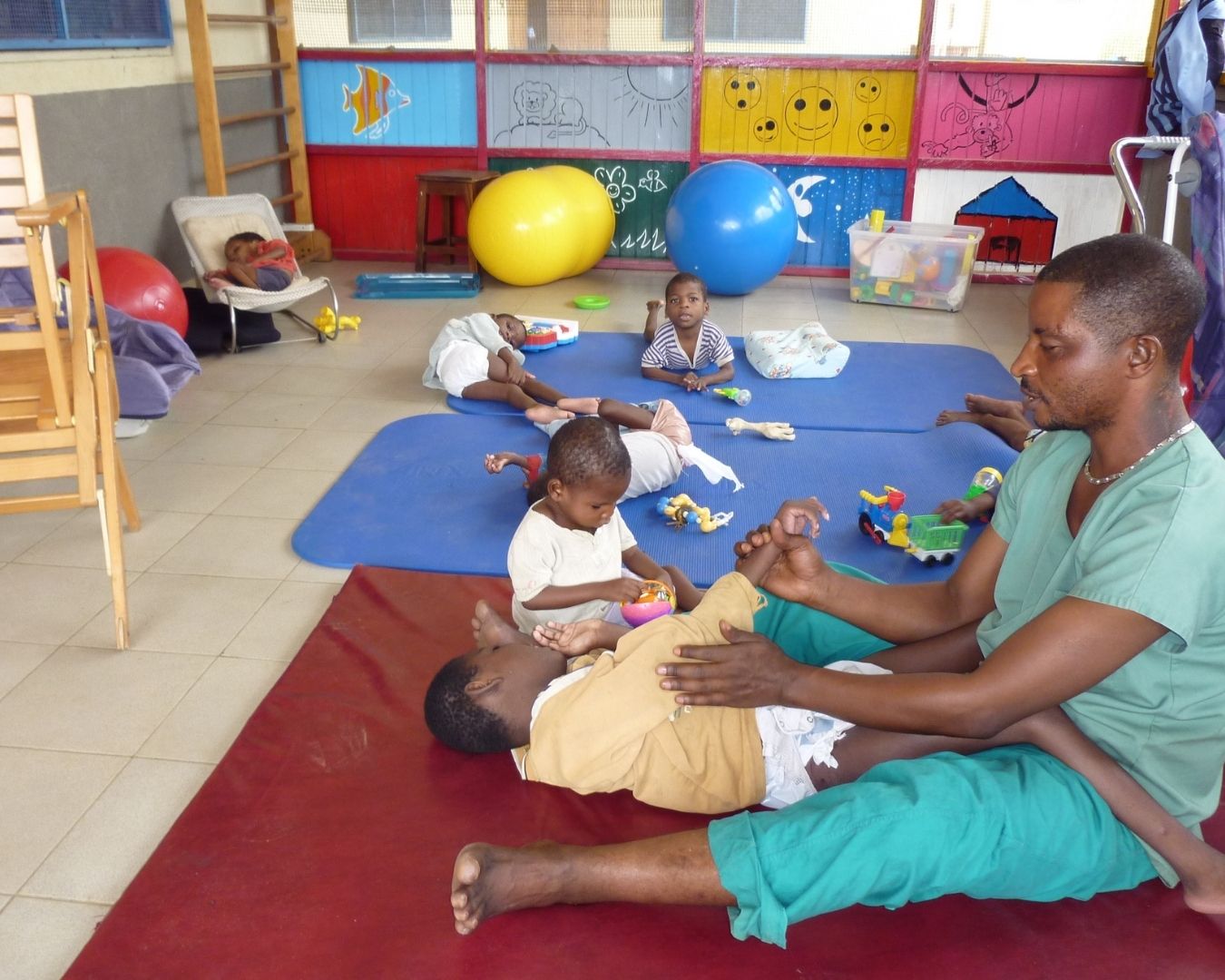
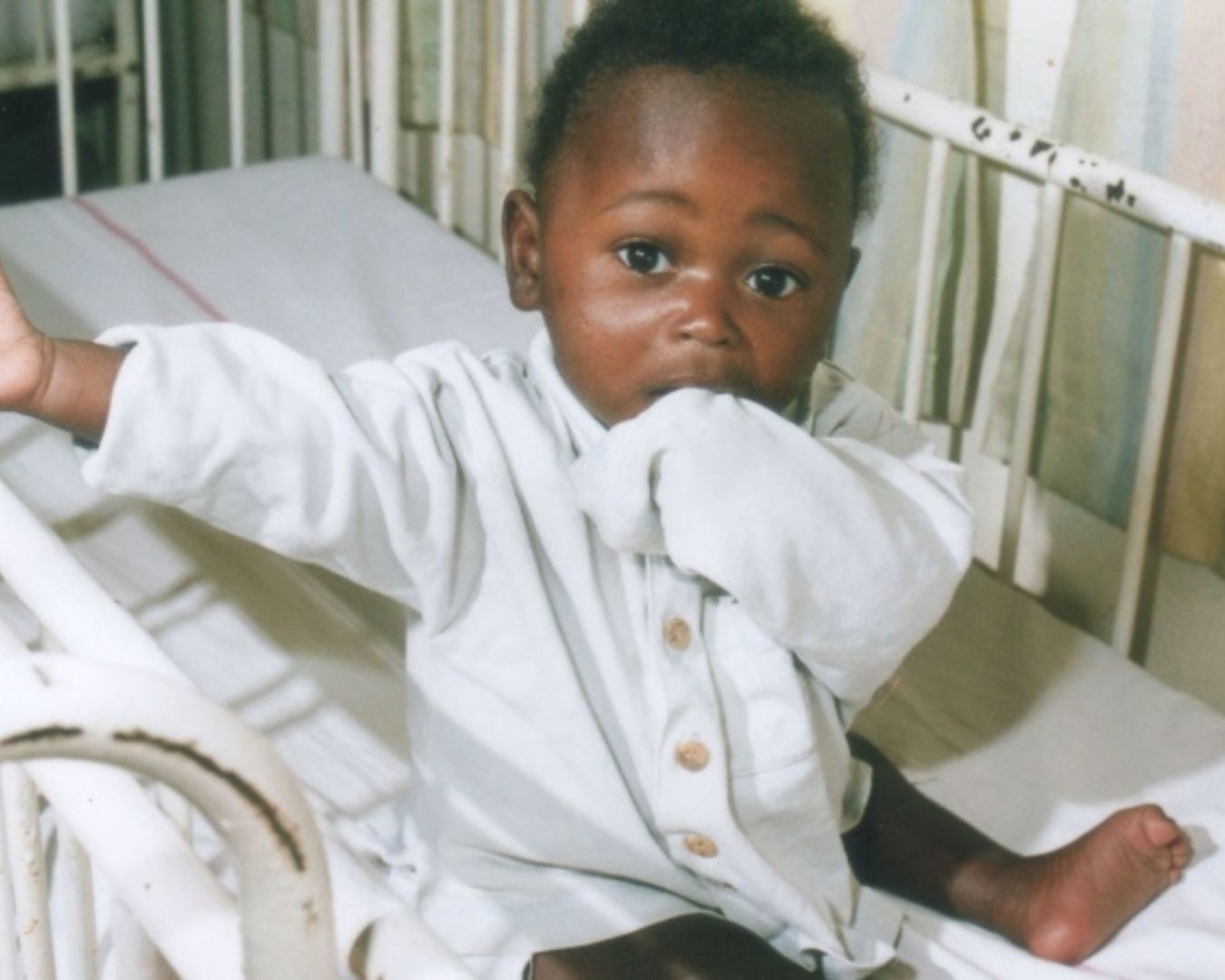
We believe in respect for the human being, starting with children: we bring help to the world’s weakest, to orphaned or abandoned children, to disabled children, to children who suffer violence. We are committed to ensuring each of them has a dignified quality of life, necessary healthcare, and social development through educational projects focused on education, personal growth, and psychological and emotional health. We believe that local structures should be managed with autonomy and self-sustainability, respecting each country’s culture and traditions, providing tools to empower and make local staff independent.

Objectives

SOCIAL DEVELOPMENT

Promote the social development of individuals, especially in countries where human dignity is most at risk, by fostering education and moral and cultural progress. In particular, support children and young people in need, helping them survive and improve their living conditions within their social context.

SELF-DEVELOPMENT

As a concrete response to injustice, poverty, and violence, implement solidarity initiatives that encourage self-development and self-sufficiency. This includes training, education, guidance, and support in managing activities and projects, avoiding dependence and welfare dependency.

AWARENESS

Help awaken trust in others, self-awareness, and dignity in children and young people so that they, in turn, can contribute to supporting their communities.